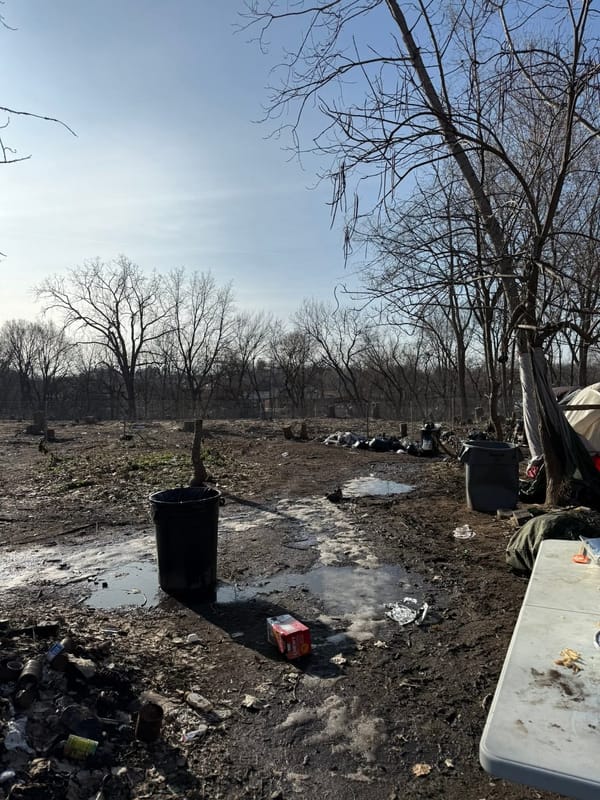
Lansing Can’t Outsource Survival — Accountability Must Start at the Top

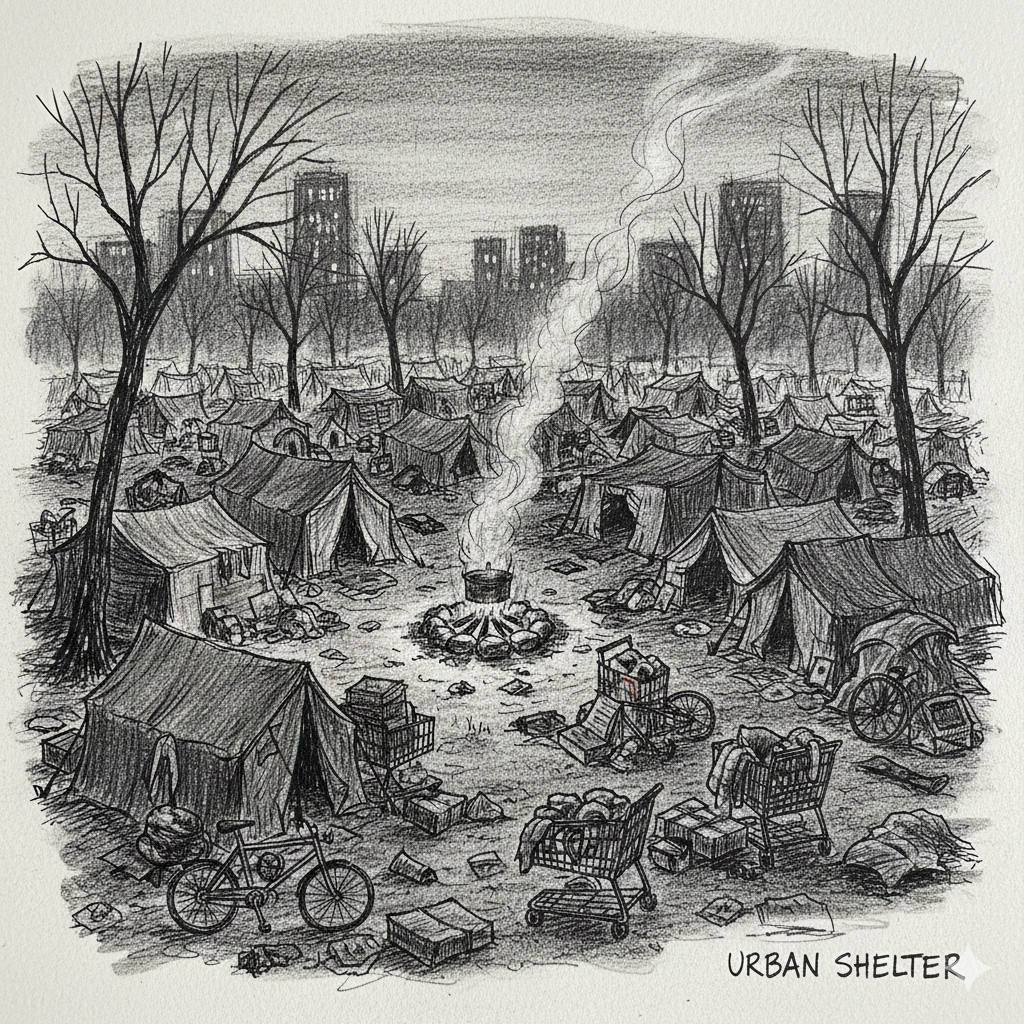
By Chelsea Lynn In Lansing, shelters and volunteers are doing the heavy lifting to keep people alive. Yet local government controls the levers that determine access to resources — land use, zoning, shelter policy, emergency response, and funding priorities. Individuals and nonprofits are left to absorb the consequences of systemic neglect. The Numbers Are Clear According to a city-commissioned study, 2,371 people in Lansing used emergency shelters, outreach teams, or housing programs in 2023, with 41% being families with children. Barriers to exiting homelessness include housing costs, income loss, mental health challenges, and domestic abuse — systemic issues, not personal failures. Source: https://www.fox47news.com/neighborhoods/downtown-old-town-reo-town/lansing-housing-officials-present-data-from-a-2023-study-done-on-homelessness-in-the-city Shelters at Capacity The City Rescue Mission of Lansing sheltered about 244 people nightly in 2023 and 265 in 2024. Despite annual expansions, demand continues to rise, especially during the city’s Code Blue emergency alerts. Source: https://www.fox47news.com/neighborhoods/downtown-old-town-reo-town/city-rescue-mission-sees-high-volumes-amidst-lansings-code-blue-order Expansions Are Underway The Mission is building a new downtown shelter to double capacity for single adults, aiming to house hundreds more. Source: https://www.wilx.com/2024/09/05/city-rescue-mission-lansing-double-capacity/ Another centralized facility will further increase capacity. Source: https://www.michigannewssource.com/2025/08/faith-food-and-fresh-beds-lansing-rescue-mission-opens-new-shelter/ Statewide Context Over 33,000 Michiganders experienced homelessness in 2023, up 2% from the prior year. Lansing is part of this trend. Source: https://www.wgvunews.org/2025-09-08/lansing-plans-new-approach-to-homelessness-a-pod-city Reactive Measures Are Not Enough Investments like the $640,000 modular “pod city” units provide temporary shelter but do not solve the long-term crisis. Source: https://apnews.com/article/9d9d96c1113b1a407aaf1f819b3d7080 Accountability Matters Calls for transparency and structural accountability are sometimes dismissed as “pushing division.” Real collaboration requires inclusivity, shared power, and open access to decision-making. A community’s health should not depend on who is invited to the right table; it should depend on whether systems serving its most vulnerable are transparent, equitable, and effective. Steps Forward Transparent public reporting on shelter availability, unmet needs, and outcomes, including deaths and exclusion rates. Inclusive policy processes bringing unpaid advocates and people with lived experience into decision-making. Clear criteria for how housing support is allocated and why some voices have access to decision spaces while others do not. Survival work cannot remain a volunteer burden while systemic failures persist. Accountability isn’t division — it’s care. Anything less is complicity.