Transgender Americans Were Here at the Nation’s Birth

By Chelsea Lynn
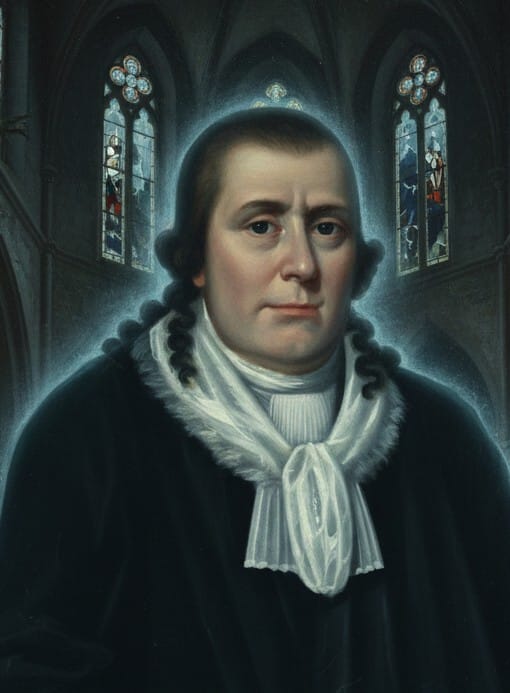
The claim that transgender and gender-nonconforming people are a modern invention is historically false. They were not just present in early America — they were active, visible, and influential in shaping communities, culture, and social norms. Consider Jemima Wilkinson, later known as the Public Universal Friend. In 1776, after surviving a severe illness, Wilkinson declared that Jemima had died and been replaced by a genderless spirit. From that moment, they rejected gendered names, pronouns, and roles, wearing androgynous clothing and insisting on recognition as a genderless being. Wilkinson did not retreat into obscurity. They preached publicly across New England and Pennsylvania, founded a settlement in western New York, managed property, negotiated land transactions, and appeared in court records. Newspapers covered them extensively. Authorities engaged with them directly. Gender variance was not hidden, ignored, or tolerated silently — it was integrated into civic and religious life, even if not fully understood. Wilkinson was part of a broader historical pattern. Deborah Sampson lived as a man to serve in the Continental Army. Indigenous nations recognized two-spirit individuals, whose identities encompassed a spectrum beyond male and female. Colonial records show people assigned female at birth living as men in labor, military, and religious roles for decades. Gender-nonconforming identities were negotiated socially and legally, not erased. This history is not a footnote. It is foundational. Gender diversity is embedded in the American story — before the 19th century, before modern debates, before the internet. Modern hysteria over bathrooms, pronouns, and identity politics is not rooted in tradition, but in selective memory. The people now targeted as “threats” were once neighbors, leaders, and spiritual guides shaping communities. Acknowledging this does more than validate trans and non-binary lives today. It reframes history itself. The story of America is not the story of fixed binaries and exclusion. It is the story of negotiation, adaptation, and inclusion — even under conditions of resistance. Trans and non-binary Americans were here at the nation’s birth. They built communities, influenced law and culture, and challenged social norms. To deny their existence is not preservation — it is erasure. The question is no longer whether transgender and non-binary people belong in American society. They always have. The real question is whether we have the courage to tell the truth about who built this country.